Steps to Keep Previous Owners Out of Your New Home
Why a simple lock change matters more than you think
When you move into a house that someone else has lived in, you inherit more than the walls and the roof. You inherit every key they ever handed out. A neighbour who fed the cat, a friend who watered the plants, a contractor who fixed the back porch, any of them could still hold a working key. The previous owner might also have spare copies stashed in a drawer or given to a relative. For your peace of mind and your family's safety, the first job after moving in should be to take control of who can open your doors.
This is where house lock rekeying becomes the smartest move you can make. It changes the lock cylinder so that old keys no longer work, while the hardware stays in place. You get a fresh start without the cost or hassle of replacing every lock. A local locksmith who knows the area can handle this quickly, and the result is that you, and only you, decide who gets a key.
What rekeying actually does to a lock
Inside every standard pin-tumbler lock is a cylinder with a set of pins. When you insert the correct key, the pins line up and allow the cylinder to turn. Rekeying means a locksmith removes that cylinder and rearranges the pins so that a different key operates it. The old keys no longer align the pins, so they cannot turn the cylinder. The lock body, the strike plate, and the deadbolt remain the same. You avoid buying new hardware, and you avoid drilling new holes in your door.
The process is precise. A locksmith uses a tool to remove the retaining clip or screw that holds the cylinder in place. Then they take out the cylinder, pull the old pins, and insert new ones in a pattern that matches your new key. They reassemble the cylinder and test it before leaving. The whole job for a standard exterior door usually takes under an hour. For someone who has just moved, that short time is a small price for knowing that every old key is now useless.
Step 1: Take stock of every exterior entry point
Before you call anyone, walk around the outside of your house and note every door that leads into the living space. Front door, back door, side door, garage man-door, and any door from the garage into the house. Also check the door from the house to a deck or patio if that deck is accessible from the ground. Each of these is a potential entry point for someone with an old key.
Pay special attention to the garage entry. Many homeowners treat the garage door with less urgency than the front door, but a garage often has a direct door into the house. If the previous owner gave a garage door remote or key to a neighbour, that neighbour also had access to that interior door. Rekeying the lock on the interior garage door is just as important as rekeying the front door.
Step 2: Decide whether to rekey or replace
Rekeying works for most standard pin-tumbler locks. If your locks are old, worn, or damaged, replacement might be the better choice. A locksmith can inspect each lock and tell you whether the cylinder is in good condition. If the lock body is corroded or the deadbolt does not align properly with the strike plate, replacing the entire lock ensures reliability. But for locks that are in decent shape, rekeying is faster and cheaper.
Another factor is whether you want all your doors to use the same key. A locksmith can rekey every exterior lock to match a single master key. That way you carry one key for the whole house. This is called keying alike, and it is a common request during a property handover. It removes the need to carry a bunch of different keys and reduces the chance of getting locked out.
Step 3: Choose a locksmith you trust
Not every locksmith offers the same level of service. Look for one who is local, licensed, and has good reviews. A local locksmith understands the types of locks common in your area and can often arrive quickly. When you call, ask if they do rekeying on site or if they need to take the cylinder back to a shop. On-site rekeying is faster and avoids leaving your door without a lock.
You should also ask about key copies. The locksmith will give you a set of new keys for each rekeyed lock. Ask how many copies they provide and whether you can order extras later. Keep one copy in a safe place, and consider giving a spare to a trusted neighbour if you travel. The point is to control the copies, not to eliminate them.
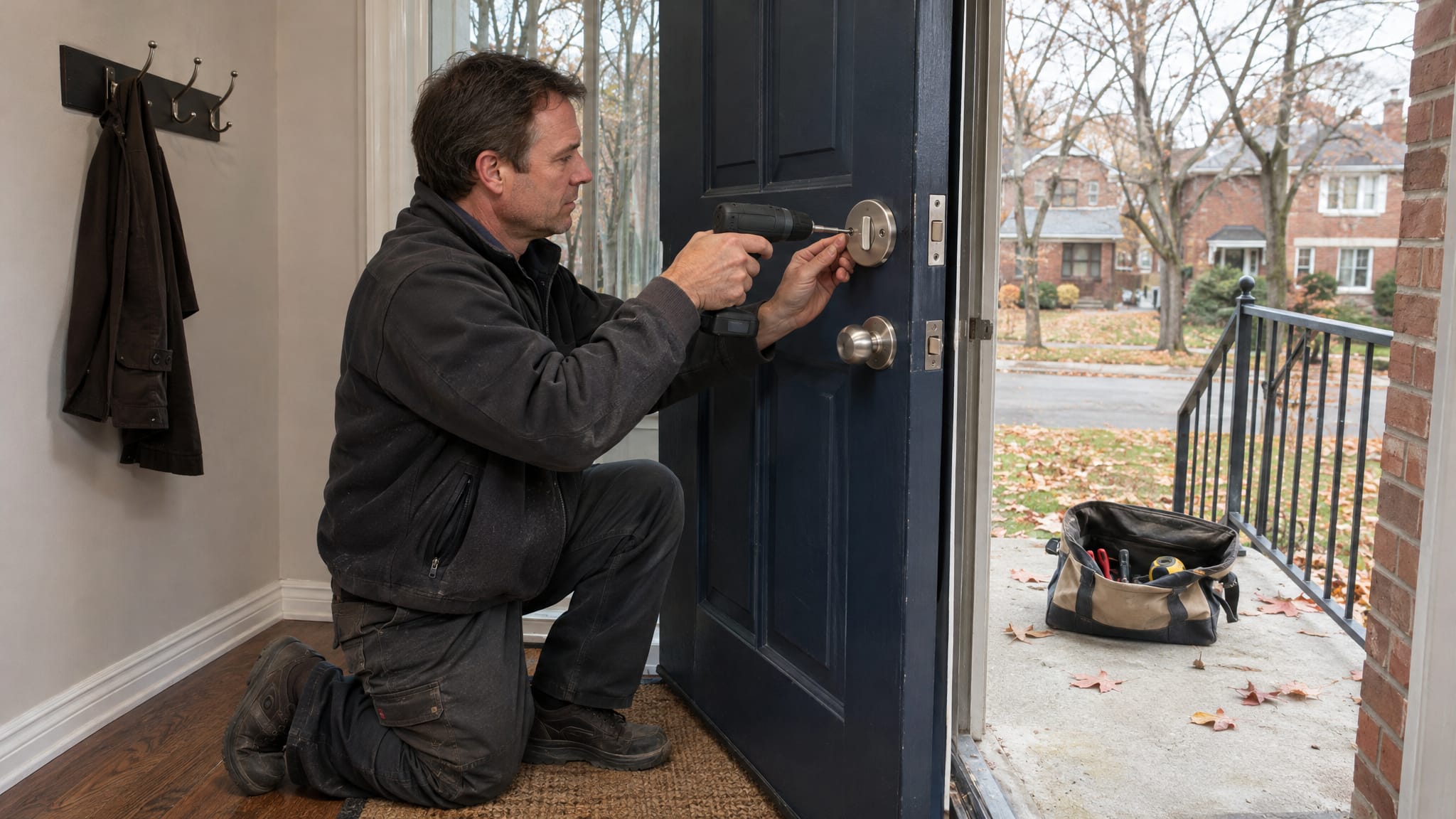
For homeowners in the North York area, Lock Change North York can handle the entire process efficiently. They know the neighbourhood and the common lock brands used in local homes. Their service includes inspecting each door, rekeying the cylinders, and testing every lock before they leave. That one call gives you the security of knowing that old keys are worthless.
Step 4: Rekey the locks yourself, if you have the skill
Rekeying kits are available at hardware stores and online. They come with instructions and a set of pins and springs. If you are handy and patient, you can learn to rekey a lock on your own. The risk is that you damage the cylinder or misalign the pins, leaving you with a lock that sticks or fails. If you make a mistake, the door might not lock properly, which is worse than having an old key out there.
For most people, hiring a locksmith is worth the money. The cost of a rekeying kit is not far from the labour charge for a single lock, and the locksmith brings experience and the right tools. They also carry liability insurance. If something goes wrong, they fix it. With a DIY kit, you are on your own.
Step 5: Change the garage door code and remote pairing
This step is separate from rekeying, but it matters just as much. The previous owner may have given the garage door remote to a child or a dog walker. Change the access code on the keypad and reprogram any remotes you plan to keep. Most garage door openers have a simple procedure for clearing all remotes and then pairing new ones. If you are unsure, the garage door manufacturer's website usually has a manual.
If the garage door has a manual lock, have that rekeyed too. Some garage doors have a lock that uses a key to disengage the opener. That key should also be changed so that no one can let themselves in through the garage.
Step 6: Secure any other access points
Think about sliding doors, basement windows, and any other exterior entry that uses a lock. Sliding doors often have a pin lock or a key lock. Rekeying those is possible if the cylinder is standard. For windows, a simple window lock or a security bar can add protection. The idea is to close every gap that an old key could open.
Also consider the mail slot if you have one. Some mail slots have a lock that uses a key. If the previous owner kept a key for the mail slot, they could reach through and unlock the door. Rekey that small lock as well. It is a detail many people overlook.
Step 7: Test every lock and keep records
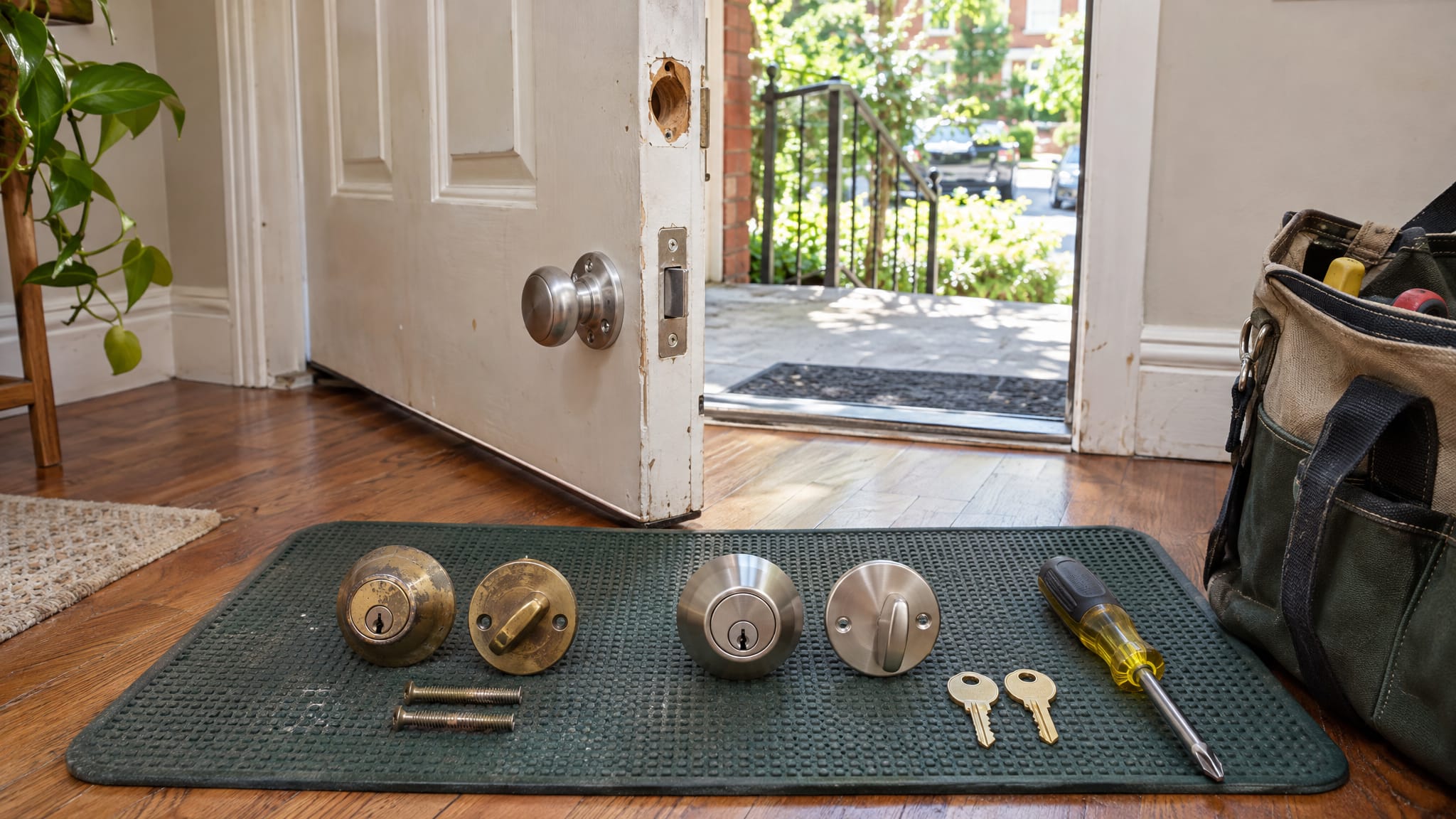
After the locksmith finishes, test each door with your new key. Try it from both inside and outside. Make sure the deadbolt throws fully and the latch engages with the strike plate. If a door sticks or the lock feels rough, ask the locksmith to adjust it before they leave. A lock that is hard to operate now will only get worse with weather changes.
Keep a list of which locks were rekeyed and which key works each one. Store a spare key in a fire safe or with a trusted friend, not under the mat or in a fake rock. And if you ever lose a key, call the locksmith to rekey again rather than risk someone finding it.
Taking these steps on moving day gives you something that no amount of furniture or paint can provide: the certainty that you are the only person who decides who enters your home. That is a feeling worth the effort.
Ends · KEYWISELIVING